English
 العربية
 فارسی
What happened
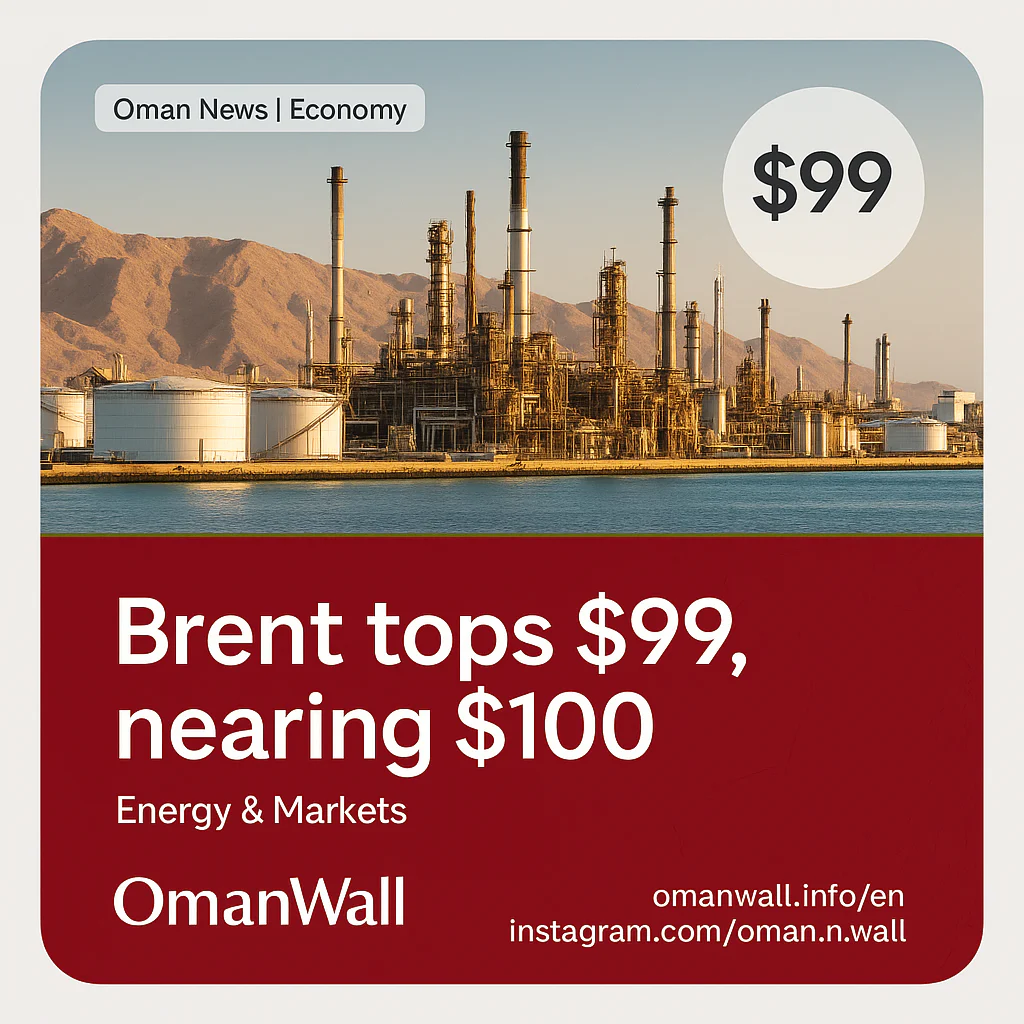
Oil prices rose sharply after attacks hit energy facilities in Saudi Arabia, raising renewed concerns about supply risks amid heightened regional tensions. In international futures trading, Brent crude climbed above $99 a barrel, reaching its highest level in several weeks.
Why it matters for Oman and the GCC
- Energy revenues and budgeting: Higher crude prices can support government revenues across the region, including Oman, but also increase uncertainty for budget planning if volatility persists.
- Inflation and business costs: A move toward $100 oil can translate into higher fuel and transport costs regionally, affecting logistics, construction, and tourism-related operating expenses.
- Shipping and supply chains: Any escalation that heightens perceived risk in the region can influence freight rates, insurance costs, and delivery timelines for importers and exporters using Gulf routes.
What to watch next
- Market reaction in the next sessions to any updates on the condition of the targeted facilities and the broader security situation.
- Spillover to refined products and regional fuel pricing.
- Business continuity and risk planning for companies with exposure to energy, logistics, or cross-border trade in the GCC.