English
 العربية
 فارسی
What is being reported
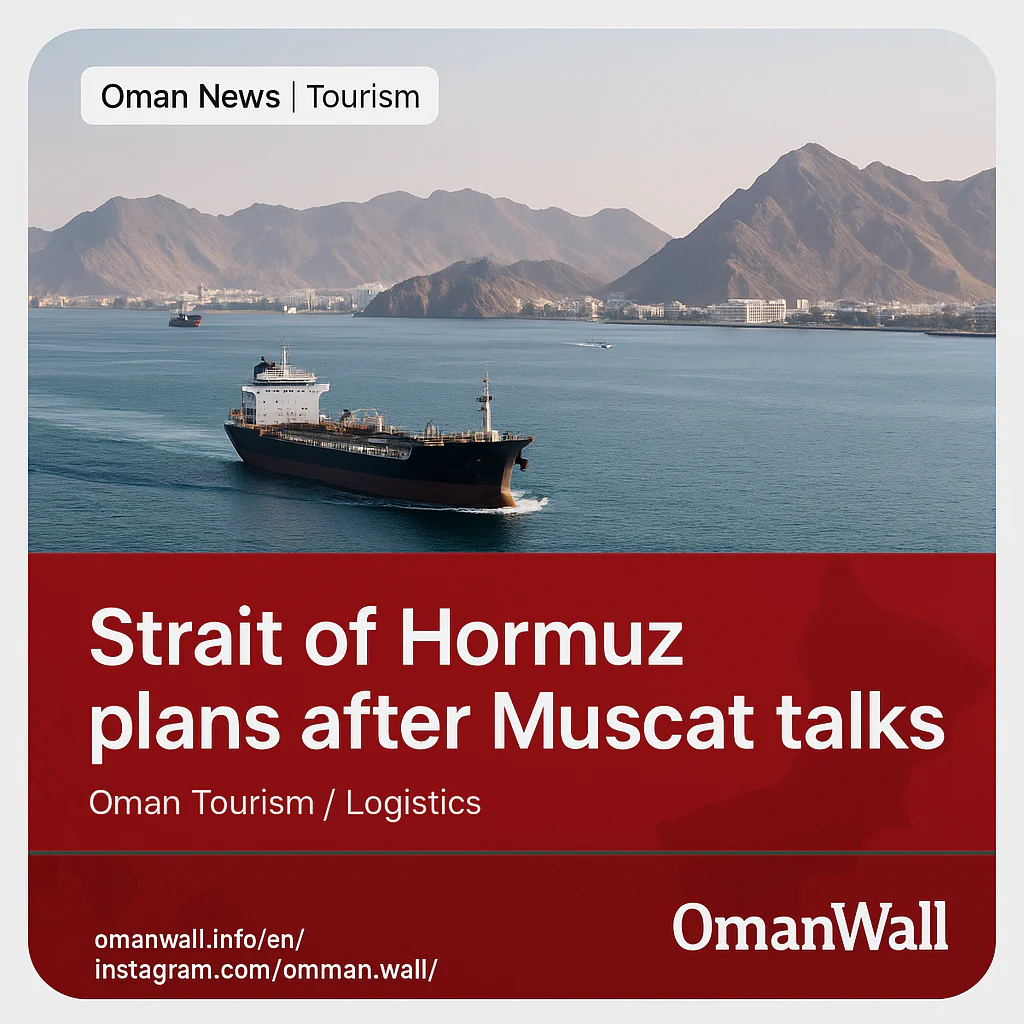
A report republished via Google News states that Iran is pushing new “Strait of Hormuz management plans” after talks in Muscat. The headline and preview text mention Oman alongside a long list of other countries, and raise the possibility of future transit fees and new shipping rules.
What we can and cannot confirm from the source
- Confirmed from the provided text: the report references Muscat talks, mentions Oman and other countries, and discusses the concept of potential transit fees/shipping rules.
- Not confirmed from the provided text: any agreed framework, official Omani position, timeline, legal basis, or specific fee structure.
Why this matters for Oman and the GCC
The Strait of Hormuz is critical for regional energy and cargo flows. Any new approach to management, rules, or charges—if it moved from discussion to policy—could affect shipping costs, insurance, routing decisions, and logistics planning for businesses operating in Oman and across the GCC.
Potential business impacts to watch
- Logistics and ports: changes in routing or compliance requirements could influence cargo planning for Omani ports and regional supply chains.
- Energy markets: uncertainty around passage rules can feed into freight rates and risk premiums.
- Tourism and travel: if maritime rules affect cruise itineraries or maritime-based travel services, operators may need to adjust plans—though no such changes are confirmed.
What readers should watch next
For decision-grade clarity, readers should look for official statements from Oman and other governments, as well as notices to mariners, port guidance, or verified policy documents. At this stage, the source text does not provide enough detail to treat the claims as confirmed regulatory change.