English
 العربية
 فارسی
What happened
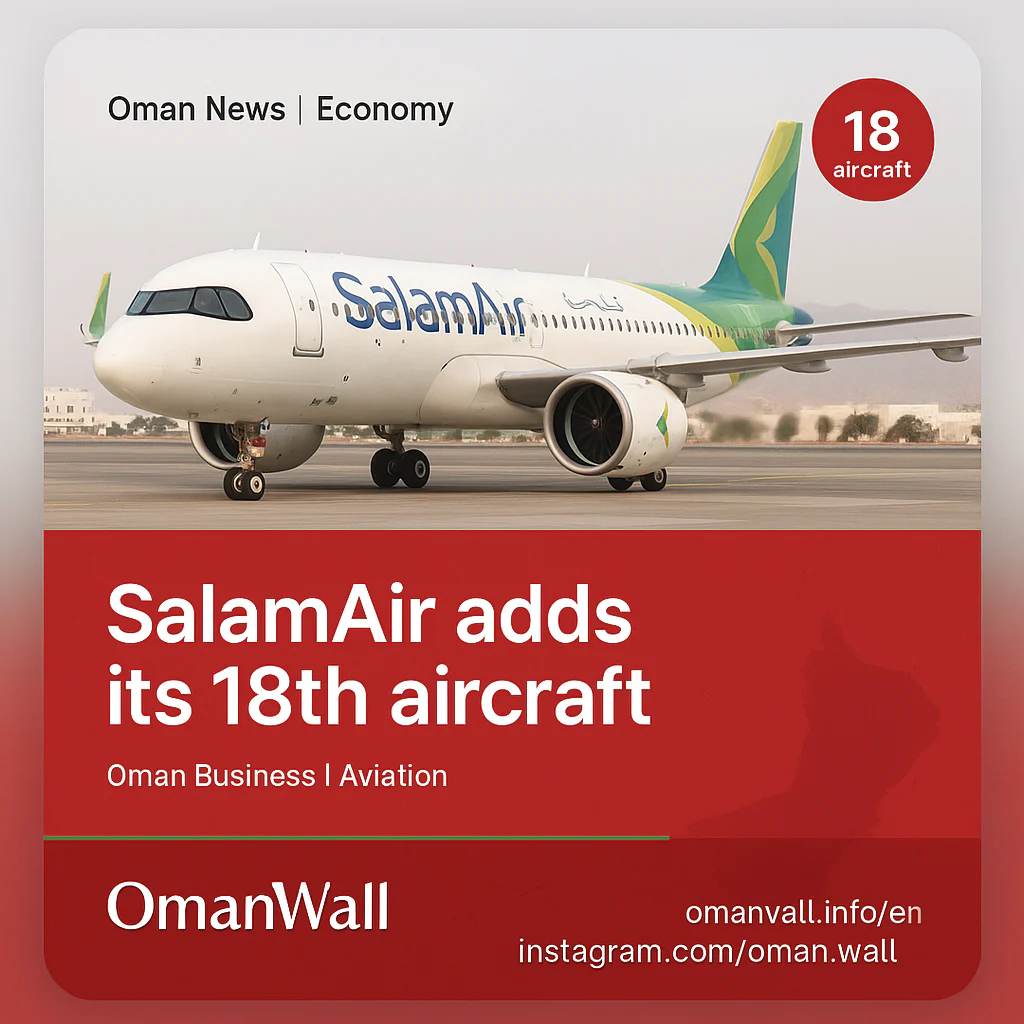
SalamAir received its 18th aircraft, named “Salalah,” at Salalah International Airport on Wednesday, according to The Arabian Stories. The aircraft then entered service by operating its inaugural commercial flights between Muscat and Salalah.
Why it matters for Oman business and the Muscat economy
- Domestic connectivity: Additional fleet capacity can help stabilize seat supply on key internal routes, supporting business travel between Muscat and Dhofar.
- Tourism and seasonal demand: The Muscat–Salalah corridor is closely tied to tourism flows, including the khareef season in Dhofar, which can have spillover benefits for hospitality, retail, and local services.
- Logistics and service ecosystem: Fleet growth typically increases demand for airport services, ground handling, maintenance, and related aviation partners—areas relevant to Oman’s wider services economy.
What we know from the source (and what we don’t)
The source report mentions a reception ceremony attended by representatives from government entities, aviation partners, and media. It also references remarks by SalamAir’s CEO, Adrian Hamilton-Manns, but the provided excerpt does not include the full quote or additional operational details such as aircraft type, capacity, or future route plans.
What to watch next
- Whether SalamAir announces added frequencies or schedule changes on the Muscat–Salalah route.
- Any new domestic or regional routes that could affect tourism and business travel demand.
- Further disclosures on fleet composition and delivery timeline.